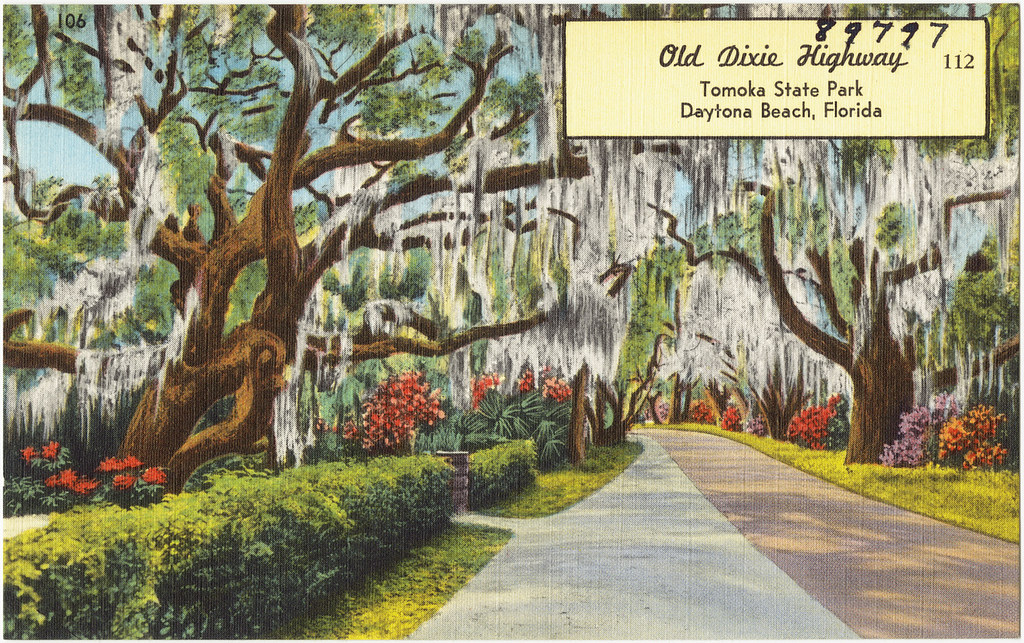
Most drivers on Old Dixie Highway slow down, glance left, and keep moving. The coquina wall visible through the tree line is easy to dismiss as a collapsed outbuilding, one more remnant in a landscape full of them. But the ruins behind that chain-link fence in Ormond Beach are the shell of Florida's first steam-powered sugar mill - a plantation that ran on the labor of 140 people, drew its technology directly from Barbados, and was wiped out by a Seminole military campaign in 1835. The Heritage Crossroads corridor passes right by it on Old Dixie heading south toward Tomoka State Park. Most corridor guides say nothing about it at all.
From Barbados to the Tomoka Basin
Thomas Henry Dummett arrived in Florida around 1821, when Spain ceded the territory to the United States, carrying something most Anglo settlers lacked: hands-on knowledge of Caribbean industrial sugar production. He had served as an officer in the British Royal Marines, and he spent years on Barbados as a planter. That island had been refining cane cultivation for over 150 years by then. Its plantation managers understood mill siting, juice extraction, boiling sequences, and distillery operations with a precision that continental American farming had not matched.
Most settlers pushing into Florida after the 1821 transfer from Spain brought cotton or livestock experience. Dummett brought the technical architecture of the Caribbean sugar industry. His Barbadian background was not incidental context - it was the engineering foundation for everything he built on the Tomoka. When he eventually imported a steam boiler from Barbados rather than purchasing American equipment, that choice reflected connections and confidence that only came from years working inside that industry.
Assembling Carrikfergus: Land, Labor, and the 2,000-Acre Plantation
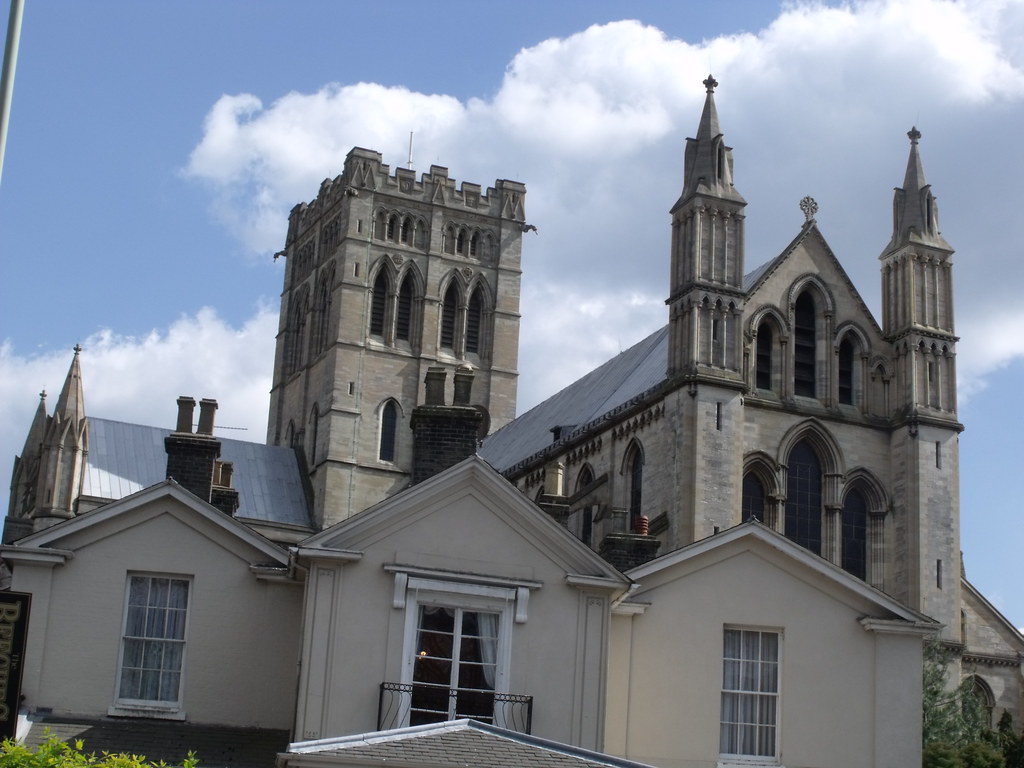
In 1825, Dummett began consolidating land along the west bank of the Tomoka basin. He acquired the adjoining estates of John Bunch and John Addison, assembling a tract of around 2,000 acres. The ground beneath those parcels had its own accumulated history - much of it had previously been part of John Moultrie's colonial-era Rosetta plantation, meaning the site had already cycled through British colonial, Spanish, and early American territorial hands before Dummett arrived. He named his property Carrikfergus, after a town in County Antrim, Northern Ireland, and built it into the largest sugar processing operation south of St. Augustine.
At peak grinding season, the workforce at Carrikfergus numbered approximately 140 people:
- Around 100 enslaved workers who operated the mill machinery, managed the boiling kettles, tended the storage cisterns, and ran the rum distillery
- About 40 local Native Americans employed alongside the enslaved workforce in the mill operations
- Skilled tradespeople, overseers, and the Dummett family overseeing the full operation
The presence of Native workers - people whose communities were simultaneously being targeted for removal by the federal government - laboring alongside enslaved people on the same machinery is a detail most accounts of this site skip entirely.
Florida's First Steam Mill: The Technology Transfer from Barbados
Dummett commissioned builder Reuben Loring to construct the mill and distillery, then shipped the steam boiler engine directly from Barbados. That decision made Carrikfergus the first steam-powered cane-crushing mill in Florida and one of the earliest applications of steam power in plantation agriculture anywhere in the American South. Most Florida and Georgia plantations at the time used animal-powered mills - ox-driven or mule-driven crushing rollers. The steam engine at Carrikfergus was categorically different.
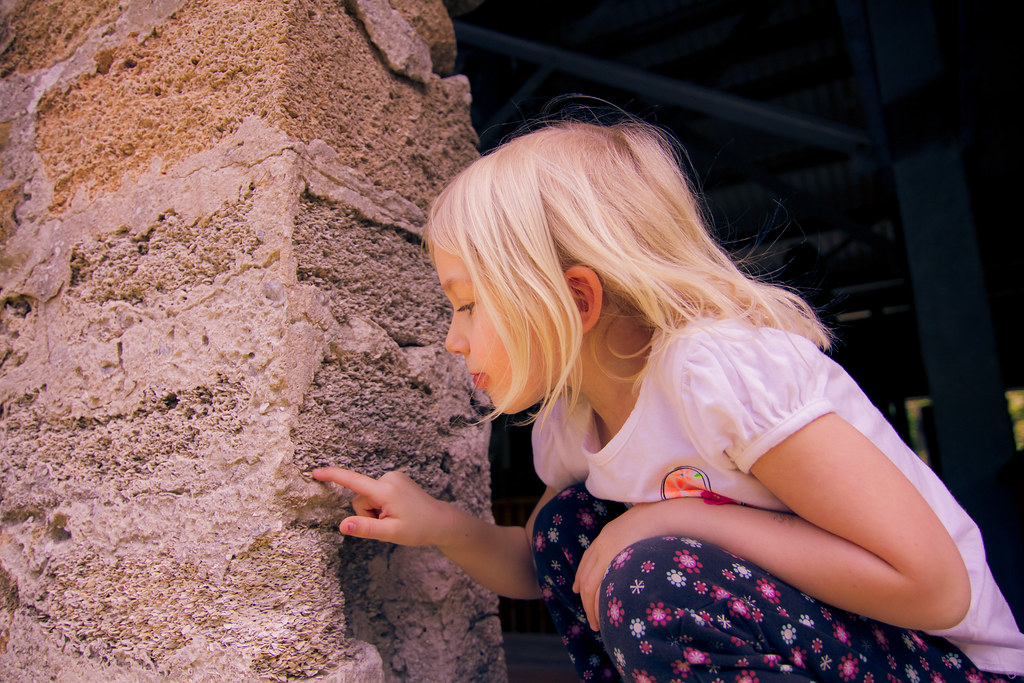
The building itself was constructed from coquina and brick. Coquina - the compressed-shell limestone quarried from Anastasia Island near St. Augustine - was the same material used to build Fort Matanzas and the Castillo de San Marcos. It resists fire better than timber, takes centuries to degrade, and was locally available to builders with the right connections along the northeast Florida coast. The thick coquina walls that survive today were built to outlast almost anything - and they did, including the attack that destroyed everything else on the property.
Sugar, Molasses, and Rum: How the Mill Worked
The grinding season ran from late fall through winter, when the cane reached peak sucrose content. The workflow at Carrikfergus followed the Caribbean model Dummett knew from Barbados:
- Cut cane was fed into the steam-powered crushing rollers, which pressed out the raw juice
- The juice moved to clarifying vessels where suspended solids settled out
- Clarified juice was transferred through the boiling train - a series of progressively smaller kettles where water evaporated and the liquid thickened into molasses
- Finished molasses was stored in three large on-site cisterns
- A portion of that molasses was fed into the on-site rum distillery, fermented, and distilled into the plantation's secondary product
The rum distillery set Carrikfergus apart. Most Florida plantations competed on raw sugar or molasses alone. Running a complete vertical operation - field to fermented spirit - on one property required both the equipment and the process knowledge that Dummett's Barbadian years had given him.
1835: The Seminole War Destroys the Plantation District
The Indian Removal Act of 1830 mandated the forced relocation of Florida's Seminole population west of the Mississippi River. By late 1835, Seminole leaders had concluded that negotiated resistance was exhausted. What followed was not isolated raiding but a coordinated military campaign.
Beginning in late December 1835 and continuing into early 1836, Seminole warriors burned plantations throughout the northeastern Florida coast. Carrikfergus was destroyed completely. The Dummett family fled to St. Augustine along with survivors from the wider plantation district. The destruction was total - structures, machinery, crops, and the full operating infrastructure of one of the territory's most sophisticated agricultural operations were gone within days.
The ruins on Old Dixie Highway are not evidence of abandonment or decay. They are evidence of deliberate military action by people resisting forced removal from their homeland.
The raids ended the Tomoka basin plantation economy. Several operations were never rebuilt. The planters who reached St. Augustine lost not just property but the capital structure and the labor infrastructure that had taken years to assemble.
The McRae Ruins Next Door: The Adjacent Steam Mill
On a portion of the former Addison tract directly adjacent to Carrikfergus, brothers Kenneth and Duncan McRae built their own steam-powered sugar mill in 1832 - three years before the Seminole campaign began. The McRae mill used the same coquina construction and steam-power technology. It was burned during the same Seminole campaign, in early 1836. Its walls also survive.
The McRae ruins sit on the same stretch of Old Dixie Highway, a short distance from the Dummett pullout. Seeing both together makes the district argument visually clear: this was not one man's experiment but a cluster of interconnected steam-powered operations on adjoining properties, all wiped out in a single coordinated campaign. Adding Bulow Plantation Ruins Historic State Park to the north - a few miles up the corridor near Flagler Beach - completes the picture. Bulow has developed trails and interpretive signage; the Dummett and McRae sites are roadside only.
| Site | Founded | Technology | Destroyed | Visitor access |
|---|---|---|---|---|
| Dummett Sugar Mill | 1825 | Steam, Barbados boiler | 1835 raids | Free roadside pullout, fenced ruins |
| McRae Sugar Mill | 1832 | Steam | 1836 | Free roadside, coquina walls |
| Bulow Plantation | 1821 | Steam, sugar and cotton | 1836 raids | State park, trails, signage |
Douglas Dummett's Citrus Legacy: The Unexpected Aftermath
No current guide to the Dummett ruins mentions this: Thomas's son Douglas rebuilt his life not in sugar but in citrus, and what he built eventually shaped Florida agriculture more durably than any amount of molasses ever could.
Working groves on Merritt Island after the destruction of Carrikfergus, Douglas Dummett developed and refined the top-grafting technique - budding sweet orange scions onto sour orange rootstock several feet above ground rather than at the soil line. In the winter of 1835-1836, a catastrophic freeze killed citrus groves across peninsular Florida. Douglas Dummett's grove, grafted high above the killing cold, was the only one in the state to survive intact.
That survival made him the supplier from whom Florida's citrus industry rebuilt. His technique spread through the Indian River growing region and became the commercial standard statewide. Douglas Dummett was eventually inducted into the Florida Citrus Hall of Fame and is recognized as the Father of Florida Citrus. The thread runs directly back to the Barbadian agricultural knowledge his father carried to the Tomoka.
Visiting the Ruins Today: What to See and How to Find It
Location and Getting There
The Dummett ruins sit on Old Dixie Highway, also signed as CR 4011, in Ormond Beach. Driving south on the Heritage Crossroads corridor, you will pass the site roughly two miles before the Tomoka State Park entrance. A roadside pullout with space for several vehicles sits directly at the historical marker. The marker is recorded in the Historical Marker Database under entry ID 173839 - verify current access by searching the site name at hmdb.org, as entry numbers can change.
What Survives
What you can see from the perimeter path:
- A large, irregular coquina and brick wall - substantial enough to convey the mill's original footprint
- Twin chimneys rising from the wall corners, both largely intact
- The chain-link fence enclosure that now protects the interior from vandalism and unauthorized entry
- A grass perimeter path that allows a full exterior circuit of the ruins
- A picnic table at the pullout
You cannot enter the enclosure. The interior is not accessible. The coquina walls photograph well in morning light, when the sun hits from the east.
Making a Day of It
From the Dummett pullout, continue south on Old Dixie to look for the McRae ruins, then carry on to Tomoka State Park, where the Fred Dana Marsh Museum adds interpretive depth on the Tomoka basin's longer history. For the full plantation-district circuit, drive north on the Heritage Crossroads corridor to Bulow Plantation Ruins Historic State Park near Flagler Beach. The Ormond Scenic Loop and Trail uses Old Dixie as its western leg, connecting Dummett, McRae, and Tomoka in a single driving or cycling route.
Frequently Asked Questions
Is there a fee to visit the Dummett Sugar Mill ruins?
Access is free and the site is open year-round. There is no gate or admission structure - just a roadside pullout, a picnic table, and the historical marker. Confirm current access status with Volusia County or the Florida Division of Historical Resources before making a long drive.
Can I walk inside the ruins?
No. A chain-link fence encloses the interior to protect the structure from vandalism. A grass path runs around the outside of the fence and gives clear views of the coquina walls and twin chimneys from all sides. That perimeter walk is the intended visitor experience.
How does the Dummett site fit into the broader plantation district?
The comparison table in The McRae Ruins Next Door section above lays out the three sites side by side. The short version: Bulow has state park infrastructure and interpretive trails; Dummett and McRae are roadside stops you can cover together before continuing south to Tomoka - all three on the same corridor, all destroyed in the same campaign.
What is the Douglas Dummett citrus connection?
Douglas was Thomas's son. After 1835 he worked groves on Merritt Island and developed the top-grafting technique that produced the only Florida citrus grove to survive the catastrophic freeze of that period, making him the supplier from whom the industry rebuilt statewide. The Douglas Dummett's Citrus Legacy section above tells the full story - most visitors arrive knowing nothing about it, and it tends to be the detail that sticks.
Why did the Seminoles destroy the plantations in 1835?
The raids were coordinated military action, not scattered violence - a direct response to the Indian Removal Act mandating forced relocation west of the Mississippi. When Seminole leaders concluded that negotiation had failed, they targeted the plantation infrastructure sustaining American territorial control of northeast Florida. The campaign began in late December 1835 and continued into 1836. The 1835: The Seminole War section above covers the campaign and its scope. Reading it before you walk the perimeter changes what the walls mean when you see them.
What does coquina look like, and why was it used to build the mill?
Coquina is a pale, rough-textured limestone made from compressed shell fragments quarried near St. Augustine. The individual shells remain visible to the naked eye in the wall surface, which makes it easy to identify on-site. Fire resistance and slow weathering were the practical reasons for choosing it over timber - as the Florida's First Steam Mill section above explains, those properties are why anything is still standing after two centuries without maintenance.