Most visitors arrive at the Marine Science Center expecting a small aquarium. What they find is a working hospital, a wildlife sanctuary, and a piece of Florida political history compressed into one site at the edge of Ponce Inlet - a facility that exists not because someone donated it, but because a legal fight over beach driving made it legally mandatory.
What the Marine Science Center Is and Where It Sits on the Heritage Corridor
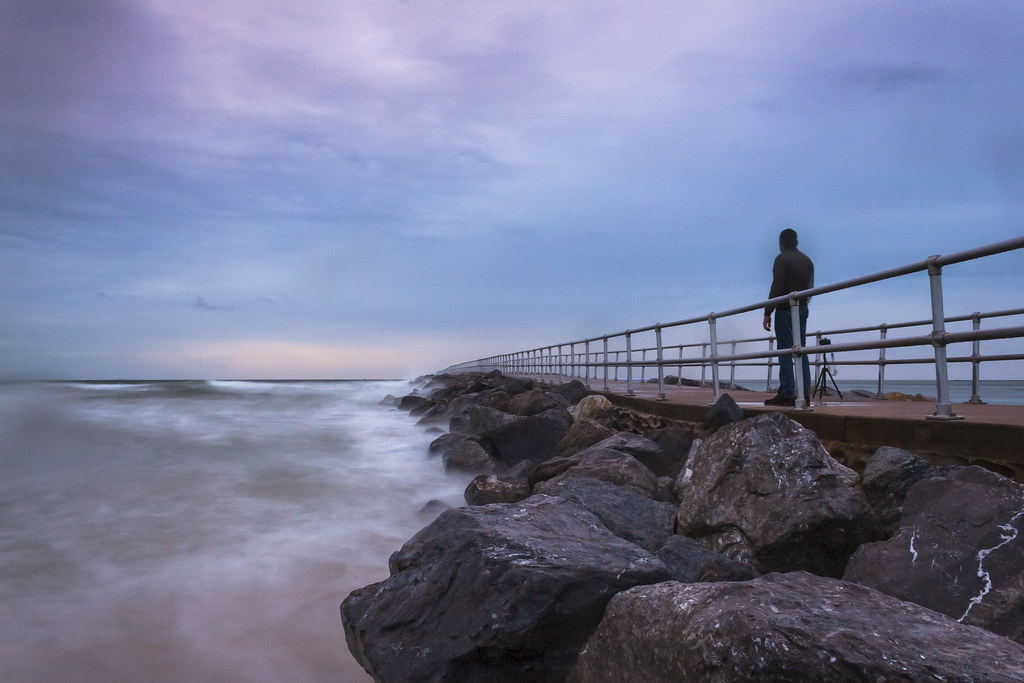
On Lighthouse Drive in Ponce Inlet, roughly a mile south of the Ponce de Leon Inlet Lighthouse, the Marine Science Center occupies a site where barrier island terrain, saltwater marsh, and the open Atlantic converge. For travelers driving the Heritage Corridor south from St. Augustine through Flagler Beach into Volusia County, Ponce Inlet marks the natural endpoint - the place where the barrier island narrows and the inlet cuts through to the Halifax River.
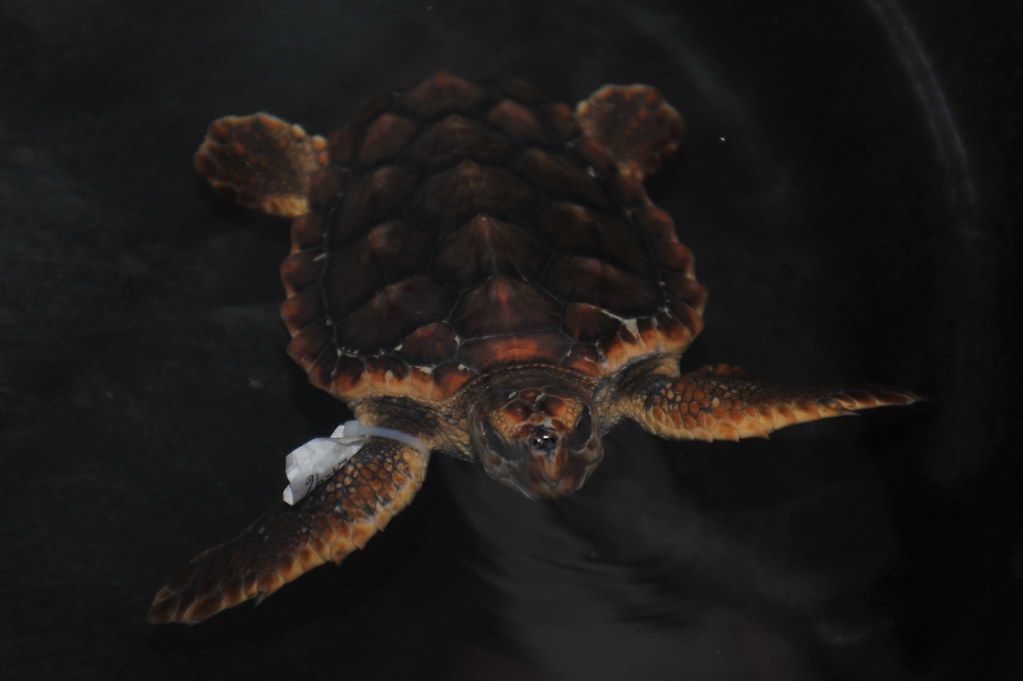
The facility operates as a licensed wildlife rehabilitation hospital first, with public-facing exhibits built around animals actually under care. Living sea turtles occupy treatment pools visible from public walkways. Injured birds recover in enclosures nearby. Animals too disabled for the wild live permanently as education ambassadors. Since opening on June 8, 2002, the center has cared for more than 27,000 sea turtles and reptiles and more than 19,000 birds representing over 200 species.
The Beach Driving Backstory: How a Political Fight Over Sand Created a Sea Turtle Hospital
Volusia County has permitted motor vehicles on portions of its Atlantic beach for most of the twentieth century - a tradition dating to the early automotive era when the hard-packed sand served as one of Florida's first racing courses. By the 1990s, that tradition had become a flashpoint. Sea turtle volunteers documenting nest activity along the county coast found evidence that beach driving was disturbing nesting loggerheads: crushed nests, disoriented hatchlings, and vehicle ruts trapping adults. By the mid-1990s, the dispute had grown large enough that federal law had to enter.
Sea turtles are protected under the Endangered Species Act. Any activity that harms them - even incidentally, even as a byproduct of an otherwise legal program - requires an Incidental Take Permit from the U.S. Fish and Wildlife Service. To obtain one, a jurisdiction must first produce a Habitat Conservation Plan, or HCP: a document quantifying expected harm, committing to minimizing it, and proposing mitigation measures to offset documented losses.
Volusia County Council approved the HCP concept in 1997. The mitigation package included what became the Marine Science Center: a county-funded, county-operated rehabilitation facility for sea turtles and seabirds harmed by beach activities. Construction funding was shared by the Florida Inland Navigation District, the Volusia County ECHO program, and the county general fund - a three-way model replicated in every expansion since.
No other county in the United States built the equivalent. Jurisdictions facing similar scrutiny chose to reduce vehicle access or pursue different mitigation strategies. Volusia County built a hospital, which is why Ponce Inlet now hosts the only county-funded, county-operated combined sea turtle and seabird rehabilitation facility in the country.
The Sea Turtle Hospital: Four Species, One Pool Deck
The center treats four of the world's seven sea turtle species - all four of which nest or range along this stretch of Heritage Corridor coast.
| Species | Conservation Status | Most Common Arrival Condition | Nesting Presence Here |
|---|---|---|---|
| Loggerhead | Threatened | Boat strike, cold stunning, entanglement | Most common nesting species locally |
| Green | Threatened / Endangered | Fibropapillomatosis tumors, boat strike | Increasing, well-established |
| Leatherback | Vulnerable to Critically Endangered | Pelagic stranding, entanglement, serious trauma | Rare nester; primarily offshore range |
| Kemp's ridley | Critically Endangered | Cold stunning, entanglement, debilitation | Extremely rare; documented Volusia nesting in 2024 |
Loggerheads dominate the caseload - the most common nesting species on Volusia County beaches and the turtle most likely to arrive with propeller injuries, monofilament wrapped around flippers, or cold stunning, a hypothermic crisis that strikes when turtles cannot escape unusually cold nearshore water in winter. Treatment pools must handle multiple large animals simultaneously while keeping water chemistry stable for each.
Green turtles have increased substantially along the Florida coast as protection measures have taken hold over three decades. They arrive most often with fibropapillomatosis, a herpesvirus-linked disease producing external and internal tumors associated with degraded nearshore water quality.
Leatherbacks are open-ocean travelers that approach shore mainly to nest or in distress, arriving rarely and typically in serious condition. Kemp's ridley carries the most weight of any arrival. The world's rarest sea turtle nests almost exclusively on one beach in Mexico, making any confirmed Florida Atlantic sighting notable. A Kemp's ridley that nested in Volusia County in 2024 - extraordinary on its own - had been treated at this facility previously. That documented link between rehabilitation and successful reproduction is precisely what the HCP was designed to produce.
Common conditions bringing turtles through intake include:
- Boat propeller strikes involving deep shell fractures or spinal trauma
- Cold stunning - hypothermic debilitation requiring gradual rewarming over days to weeks
- Monofilament entanglement cutting off circulation to flippers
- Fibropapillomatosis tumors in green turtles
- Washback syndrome - hatchlings returned to shore by surf before reaching open water
- Swallowed hooks and ingested marine debris including plastic fragments
From Admission to Release: How Rehabilitation Actually Works
Washbacks are newly hatched sea turtles pushed back to shore by rough surf before they can swim past the breakers to open water. They arrive exhausted and malnourished with almost no energy reserves. During summer nesting season the facility may hold dozens simultaneously, each with its own intake record and feeding log, requiring weeks of conditioning before another release attempt.
The rehabilitation sequence, from intake to release:
- Intake and triage - Staff weigh the animal, photograph injuries, assign a case number, and draw blood to assess hydration and metabolic state.
- Freshwater stabilization - Mildly debilitated animals often start in freshwater pools to shed external parasites while staff assess early recovery.
- Transfer to saltwater treatment pools - Once stable, the animal moves to seawater and begins feeding. Diet is species-specific - loggerheads receive fish and crustaceans; green turtles, primarily herbivorous in the wild, receive proteins only early in recovery.
- Weight monitoring and veterinary care - Consistent weight gain is the primary recovery marker. Boat-strike cases requiring shell repair, tumor removal, or flipper amputation are handled on-site before resuming pool recovery.
- PIT tagging - Each animal receives a passive integrated transponder tag entered into national sea turtle databases - the mechanism that connected the 2024 Volusia nesting back to this facility's treatment records.
- Release at Ponce Inlet - Animals cleared for release are returned to the Atlantic at the inlet, typically with staff, volunteers, and any visitors present on the day.
The Seabird Sanctuary: From Mary Keller's Vision to the 2026 Expansion
Seabird rehabilitation was added deliberately as the facility's founders recognized that shorebirds face the same pressures as sea turtles: entanglement, disorientation from beach lighting, vehicle strikes on the strand. The Mary Keller Seabird Rehabilitation Sanctuary opened on June 19, 2004, two years after the main facility, named for a local conservationist whose advocacy helped drive the project.
The original structures served the center for two decades. A renovation project launched in September 2024 drew on a Volusia County ECHO grant - the same program that helped fund the original construction - alongside American Rescue Plan Act dollars, federal pandemic recovery funding that several Florida counties directed toward community conservation infrastructure. The rebuilt walk-through aviary opened in January 2026.
Visitors now move through enclosed habitat where recovering birds share space with permanent residents, with connected sections separating species by recovery status and habitat type. Sight lines into active recovery areas that the original design obscured are now part of the main visitor path, and the total footprint of aviary and enclosure space is substantially larger than what opened in 2004.
Permanent Residents: The Education Ambassadors
Not every animal that enters rehabilitation recovers enough to survive independently. Those with permanent impairments - a bald eagle that cannot achieve hunting flight, an owl with irreversible vision loss from a vehicle strike, a pelican whose wing healed incorrectly - are evaluated for ambassador placement rather than euthanized.
These animals live permanently at the facility, introduced to visitors through individual stories that connect each injury to the broader threat that caused it. The roster of non-releasable permanent residents includes:
- Bald eagles - typically grounded by vehicle strikes or power line electrocution
- Red-tailed hawks - often disabled by secondary rodenticide poisoning through contaminated prey
- Great horned owls and barn owls - night-road collisions are the dominant cause of permanent injury in both species
- Brown pelicans - fishing line entanglement leads to permanent wing or beak damage
- Herons, anhingas, and other wading birds from the Halifax River estuary system
A visitor who watches a bald eagle that cannot fly - and hears the specific story of how it was grounded - leaves with a different understanding of roadside wildlife hazards than any interpretive panel alone could produce.
The Ray Touch Tank and Indoor Exhibits
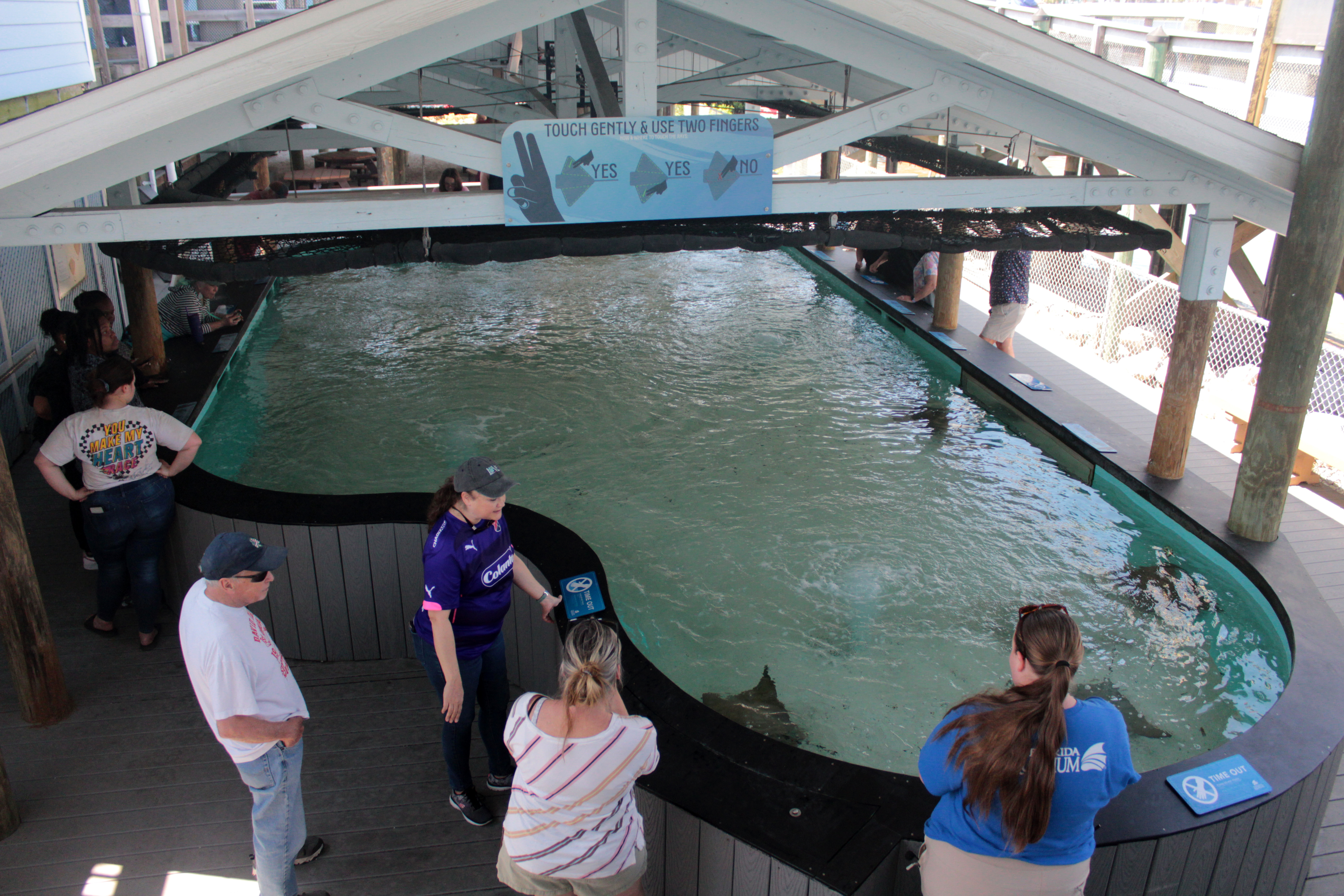
The indoor exhibits anchor the visit with a touch tank housing cownose rays, a species common in Florida's nearshore waters. Twice-daily guided feedings - one in the early afternoon and one mid-afternoon - are included in admission. Both sessions double as short natural history presentations on ray anatomy, feeding behavior, and the species' role in nearshore food webs.
Surrounding exhibit spaces include aquarium displays of local reef and estuarine species, microscope stations for specimen examination, and interpretive panels covering nesting behavior for each of the four sea turtle species treated in the pools outside. The layout moves logically from the ecological context of the Heritage Corridor coastline - the same habitat visible from the observation tower - inward to the individual animals under care.
The Nature Trail and Observation Tower
A short trail winds through maritime hammock - the dense, wind-sculpted forest of live oaks and cabbage palms along the sheltered inland edge of Florida barrier islands. This habitat type lines the full Heritage Corridor from Flagler Beach south, and the trail offers a ground-level encounter with it rather than a view from a car window.
Wildlife regularly seen along the trail and grounds includes:
- Gopher tortoises - a Florida keystone species whose burrows shelter over 350 other animal species
- Box turtles and skinks in the leaf litter
- Raccoons, most active near the trail edges in the morning
- Wading birds moving between the marsh edge and oak canopy
- Migrating songbirds using the hammock during spring and fall
A handicap-accessible paved path connects the main building to a raised boardwalk and observation tower. The view from the top takes in Ponce Inlet to the north, the open Atlantic to the east, and the Halifax River drainage spreading west and south. During nesting season, boat traffic at the inlet is plainly visible - the same propeller activity that fills the center's intake log.
Planning Your Visit: Hours, Admission, Parking, and Pairing with the Lighthouse
The center sits on Lighthouse Drive in Ponce Inlet, signposted from the A1A approach to the north and from New Smyrna Beach to the south. On-site parking is free. The facility opens Tuesday through Saturday and on Sunday afternoons, closed on Mondays. Confirm current hours directly at marinescience.center before making the drive; seasonal schedules apply and secondary sources go stale.
Admission is tiered by age, with children under three entering free. Touch tank feedings, the nature trail, and all pool-deck viewing are included in general admission with no separate charge for aviary or rehabilitation areas. For current pricing, check the official site rather than any travel guide - admission figures update without notice across the web.
What visitors observe on the pool deck connects directly to the county's ongoing legal obligations - the beach driving program that defines Volusia County's coastline is what makes this hospital a mandated operation rather than a discretionary one.
The Ponce de Leon Inlet Lighthouse stands a mile north on Lighthouse Drive - walkable along the inlet shore in calm conditions, a five-minute drive otherwise. A Heritage Corridor day structured around both sites - lighthouse in the morning, science center after lunch to catch the afternoon ray feedings, then Smyrna Dunes Park across the inlet for the final hours - covers the full southern end of the route with genuinely different content at each stop.
Frequently Asked Questions
What is a washback sea turtle and why does it need rehabilitation?
A washback is a hatchling pushed back to shore before completing the offshore crossing that takes it from nest to open water. Unlike most intake cases at the center - which involve injuries requiring surgery, wound care, or tumor removal - washbacks typically arrive physically intact. The problem is caloric: the sprint from nest to surf exhausts their yolk-sac reserves, and without reaching open water they have no way to feed. Rehabilitation is a feeding and conditioning program rather than a medical one, with weekly weight gain as the primary marker. High surf during summer nesting season can produce surges that arrive in groups, making washback season a staffing and logistics challenge as much as a clinical one.
Can visitors watch a sea turtle release?
Releases happen when individual animals are cleared by veterinary staff rather than on a posted schedule, so there is no guaranteed viewing window. Visitors who ask staff about upcoming releases sometimes receive advance notice, and releases at Ponce Inlet often attract informal crowds. The center's social channels are the most reliable way to learn when one is planned.
What makes a Kemp's ridley sighting more significant than the other three species treated here?
The difference is one of concentration versus distribution. Loggerheads and greens hold nesting populations spread across multiple ocean basins - Atlantic, Pacific, and Indian - making the species resilient against localized threats. The leatherback ranges across all tropical and temperate oceans. Kemp's ridley concentrates nearly all nesting on a single beach in Tamaulipas, Mexico, which means the entire species is more exposed to any single localized event than any other sea turtle. Any animal appearing on the Florida Atlantic coast has traveled well outside its core range, and its presence here is unusual rather than seasonal. That rarity is what gives each confirmed individual - and each confirmed reproduction - outsized significance in the species' overall conservation picture.
Is the facility accessible for visitors with mobility limitations?
A handicap-accessible paved path connects the main building to the boardwalk and observation tower, bypassing uneven sections of the hammock trail. Indoor exhibit areas and pool-deck viewing are designed for general public access. The nature trail itself includes both paved and unpaved sections; the paved route reaches the tower without requiring the rougher stretches.
How does this site connect to sea turtle nesting farther north along the Heritage Corridor in Flagler County?
Flagler County beaches produce thousands of loggerhead nests annually, and the barrier island nesting corridor runs continuously from Flagler Beach south through Volusia County to Ponce Inlet. Turtles nesting or stranding anywhere along that stretch can enter the Marine Science Center's caseload - the science center is where the conservation infrastructure behind that entire coastal corridor becomes visible in concrete, hospital-scale form.
What funding built and maintains the facility?
Volusia County funds and operates the center as a mandated component of its Habitat Conservation Plan, with the HCP requiring ongoing operations as a condition of the county's Incidental Take Permit for beach driving. Capital expansions have drawn on the Volusia County ECHO program every time, most recently combined with American Rescue Plan Act dollars for the 2024-2026 aviary rebuild - continuing the same multi-source funding model used for original construction.