The Heritage Crossroads corridor runs 98 miles through three Florida counties - St. Johns, Flagler, and Volusia - threading together a sequence of Atlantic-facing scrub, blackwater creeks, mangrove marsh, and live oak hammock that no single reserve could hold on its own. Flagler County alone carries 304 recorded bird species on eBird. Seven parks and preserves along the corridor hold Great Florida Birding Trail designation. No existing guide organizes them into a timed road trip with habitat logic and migration windows - this one does, north to south, from the GTM estuary to Bulow Creek's hardwoods.
Why This Corridor Is a Distinct Birding Destination
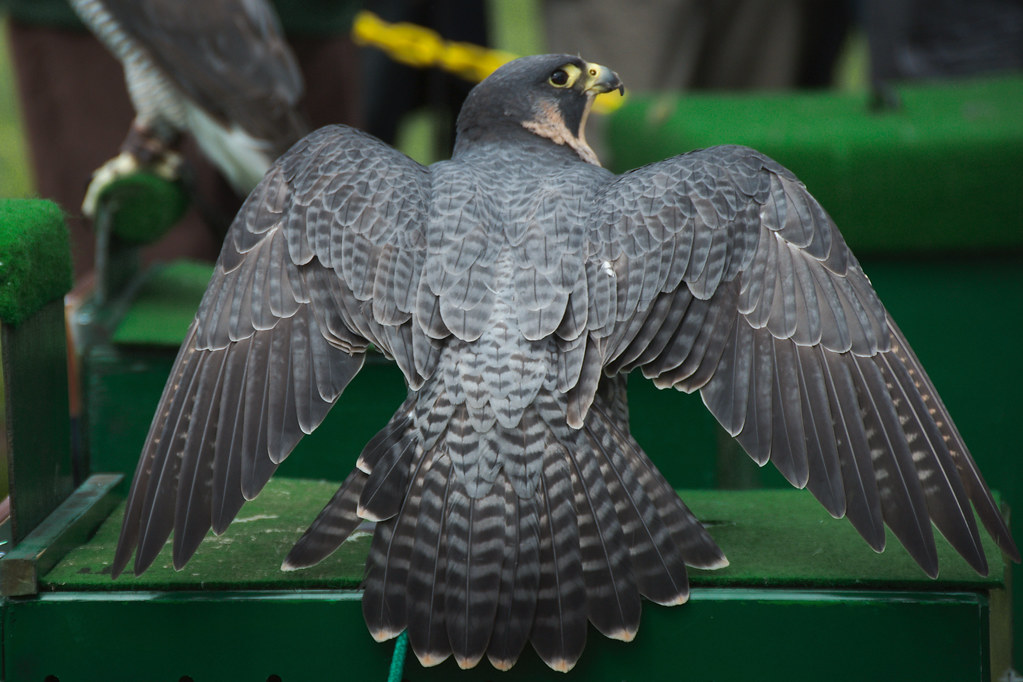
Most productive birding roads in Florida rely on a single flagship reserve or a cluster of wetland impoundments within one county. This corridor spans three county birding communities and three separate estuary systems - the Matanzas River, Pellicer Creek, and the upper Halifax River drainage - and compresses a full habitat spectrum into under two hours of driving. That compression is the point. On a September morning after a cold front, you can watch a Peregrine Falcon stoop over coastal dunes at the GTM Reserve, drive south into Flagler County scrub where Florida's only endemic bird caches acorns in the sandy soil, and end the afternoon at Boardman Pond scanning a mixed shorebird flock that includes species that nested in subarctic Canada three weeks earlier.
Seven of the corridor's parks hold Great Florida Birding Trail stops - part of the statewide 2,000-mile network of more than 500 designated sites. The GTM Research Reserve anchors the north with 73,000 acres of estuarine habitat and more than 200 species on its eBird hotspot list. Bulow Creek State Park anchors the south with one of the largest remaining stands of southern live oak on Florida's east coast. Between them, Princess Place Preserve, Betty Steflik Memorial Preserve, North Peninsula State Park, and Washington Oaks Gardens State Park each occupy a different ecological niche. No two consecutive sites feel alike.
The Atlantic Flyway and How This Stretch Concentrates Birds
The Atlantic Flyway runs from arctic Canada to South America, and this corridor intercepts it where the barrier island coast acts as both a guide rail and a bottleneck. Raptors and passerines push south in fall following the coastline. When a cold front moves through with winds shifting northwest or west, birds that have been holding inland compress into the coastal scrub and maritime hammock for stopover - and raptors riding the pressure system continue moving south along the dune line.
The Guana River unit of the GTM Research Reserve, just north of St. Augustine, holds the strongest documented Peregrine Falcon watch point in northeast Florida. Peak numbers move through in September and October, with the highest single-day counts coming on mornings after frontal passage when west winds keep birds pushed to the coast. The dune overlooks here give open-sky sightlines that interior sites simply cannot match.
Spring migration runs shorter and more explosive than fall. April pushes warblers, vireos, and tanagers into maritime hammocks at Washington Oaks and Princess Place after birds complete a trans-Gulf or overwater crossing from the Yucatan. Coastal forest islands are the only shelter available - birds drop in exhausted and feed actively through the morning hours before moving on.
Habitat Zones and the Birds They Hold
Coastal scrub and barrier island
The low oak shrublands and sandy ridges of Flagler's barrier island are among the habitats where Florida scrub-jays hold on along the northeast coast. The scrub-jay is Florida's only endemic bird species - found nowhere else on earth - and is federally listed as threatened under the Endangered Species Act. It requires open, low oak shrubland with bare sandy patches for acorn-caching, exactly the structure at North Peninsula State Park. Eastern towhees, loggerhead shrikes, and common nighthawks also occupy the scrub zone.
Mangrove marsh and saltmarsh
Betty Steflik Memorial Preserve's 320 acres along the Intracoastal Waterway protect a mosaic of mangrove fringe, mud flat, and coastal upland where tidal fluctuation exposes invertebrate-rich mud. Clapper rails call from mangrove edges at dawn and dusk - almost always heard before seen. Tricolored herons, great blue herons, and yellow-crowned night herons work the saltmarsh edges at North Peninsula. Reddish egrets appear along estuarine margins with a distinctive frenzied-lurch feeding style that separates them immediately from the stillness of other herons.
Maritime hammock and upland woodland
The live oak canopy at Bulow Creek and the mixed hardwood gardens at Washington Oaks create interior woodland structure that traps migrants and holds resident woodland species absent from open marsh sites. Painted buntings - one of the most sought birds on any Northeast Florida trip - breed and winter in coastal hammock and scrubby edge through the corridor. Males are unmistakable: blue head, red underparts, green back. The GTM Research Reserve documents painted bunting breeding in its coastal areas; the species winters across the corridor from October through March.
Intracoastal and estuarine shallows
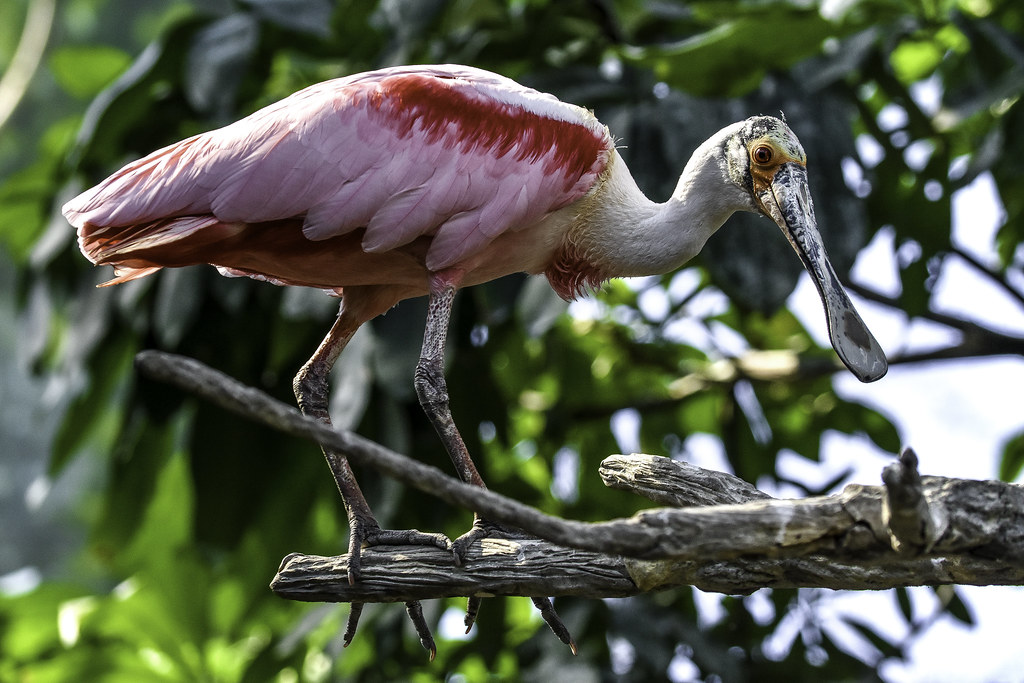
- Roseate spoonbill - foraging in shallow estuary margins along the Matanzas River and Intracoastal flats, most consistent late summer through early spring
- American oystercatcher - large and loud with a bright orange-red bill, breeding on shell bars and coquina reef, year-round resident
- Piping plover - small and pale, easily overlooked on open sand flats, present from October through March
- Magnificent frigatebird - aerial and offshore, most frequent in summer when strong thermal lift keeps them aloft for hours over the coast
- Wood stork - North America's only native stork, bald-headed with bold black wing tips, foraging at shallow wetland edges year-round with numbers peaking in late summer
Northern Corridor - St. Johns County
GTM Research Reserve
The Guana-Tolomato-Matanzas Research Reserve stretches from Ponte Vedra to Marineland and protects a continuous block of estuary, saltmarsh, and upland that no individual park could replicate at its scale. The Guana unit's dune overlooks give the open-sky sightlines needed for hawk watching - arrive before 7 a.m. on the morning after a cold front in September or October and bring a scope. Wood storks forage in the shallow impoundments through late summer. Painted buntings work scrubby coastal edges. The saltmarsh channels hold wading birds in all seasons, and the reserve's eBird hotspot list documents species that appear nowhere else on the corridor.
Washington Oaks Gardens State Park
Three habitat types converge here: Atlantic beach and dune, formal garden and upland hammock, and Matanzas River estuary. The hammock is where migration action concentrates in April and October - warblers, vireos, and thrushes drop into the live oak canopy after overnight flights and feed actively in the morning. The estuarine side holds wading birds and shorebirds on exposed mudflat. The rocky coquina shoreline on the Atlantic side is worth scanning for American oystercatchers and ruddy turnstones working the exposed reef zones. Washington Oaks carries Great Florida Birding Trail designation and is a reliable anchor for the northern section of any corridor itinerary.
Central Corridor - Flagler County
Princess Place Preserve
Princess Place covers 1,500 acres at the confluence of Pellicer Creek, Moody Creek, and the Matanzas River - a triple-habitat junction that produces a long species list across seasons. Bald eagles nest within the preserve. Swallow-tailed kites forage over the woodland canopy from spring through July, returning each year from South American wintering grounds. Prothonotary warblers work the wet creek-side vegetation in spring. The preserve's unpaved horse trails and creek corridors allow slow, quiet approaches - walking them earns more species than any faster transit.
Betty Steflik Memorial Preserve
This Great Florida Birding Trail preserve in Flagler Beach sits directly on the Intracoastal Waterway and draws shorebirds and wading birds to its mud flats at low tide. Platform overlooks allow scope use without flushing birds - critical when piping plovers and semipalmated sandpipers are feeding on exposed mud. Flagler Audubon Society hosts public walks here; see the Planning section below for details on both local Audubon chapters.
Southern Corridor - Flagler-Volusia Border
North Peninsula State Park
North Peninsula holds the corridor's clearest argument for a dedicated trip. A Great Florida Birding Trail stop, it shelters Florida scrub-jays in the barrier island scrub and puts beach, saltmarsh, and Atlantic dune within walking distance of each other. Laughing gulls, ring-billed gulls, least terns, and royal terns are present seasonally on the ocean side. Tricolored herons and yellow-crowned night herons work the Intracoastal marsh. The scrub-jays are unusually bold - family groups often forage along the sandy interior paths in morning hours and may approach stationary observers. Stay on designated trails to avoid disturbing the bare-sand acorn-cache habitat they depend on.
Bulow Creek State Park
Bulow Creek's southern live oak forest is a different world from the dunes 40 miles north. The canopy and understory hold woodland species that bypass open coast sites entirely: red-shouldered hawks, barred owls, pileated woodpeckers, and summer tanagers in the breeding season. Boardman Pond, within the park, is a documented shorebird staging area - American avocets, dunlin, lesser yellowlegs, and western sandpipers congregate here from July through September as southbound adults and juveniles move through in overlapping waves. Halifax River Audubon leads regular field trips to Bulow Creek; their eBird trip reports are worth reading before a first visit.
Seasonal Calendar
| Season | Primary Targets | Best Sites | Timing Notes |
|---|---|---|---|
| Winter (Oct - Mar) | Painted bunting, piping plover, roseate spoonbill, wintering warblers | GTM Reserve, Betty Steflik, Washington Oaks | Painted buntings at peak; scan beach flats for piping plover |
| Spring migration (Apr - May) | Warblers, vireos, tanagers, thrushes | Washington Oaks hammock, Princess Place, Bulow Creek | Work hammock trails early morning after southerly winds overnight |
| Breeding season (Apr - Jul) | Swallow-tailed kite, least tern, oystercatcher, scrub-jay | North Peninsula, Princess Place, GTM Reserve | Kites active over tall woodland; beach nesting underway - respect closures |
| Shorebird staging (Jul - Sep) | Avocet, dunlin, yellowlegs, western sandpiper, wood stork | Boardman Pond (Bulow Creek), Betty Steflik | Adult southbound birds arrive July; juvenile peak runs August through September |
| Fall migration (Sep - Oct) | Peregrine falcon, sharp-shinned hawk, warblers, painted bunting | GTM Reserve dunes, North Peninsula, Washington Oaks | Best peregrine counts morning after cold fronts with west winds |
The right 98 miles does more work than any single reserve. On this corridor, the same morning can produce Florida's only endemic bird in Flagler County scrub, a Peregrine Falcon over a coastal dune, and a roseate spoonbill working an Intracoastal flat - because every habitat type the Atlantic Flyway needs is stacked here in sequence.
Florida Specialties Worth Planning a Trip Around
Nine species documented on this corridor draw out-of-state visitors specifically for the northeast Florida experience. Each has a best site and a best window:
- Florida scrub-jay - North Peninsula State Park interior scrub paths, first two hours after sunrise; do not feed them
- Painted bunting - GTM Reserve and Betty Steflik reliable October through March for wintering birds; breeds along GTM coastal areas in summer
- Swallow-tailed kite - Princess Place and the St. Johns River corridor in Volusia County, approximately March through August
- Wood stork - shallow wetland edges throughout the corridor, year-round presence with peak numbers in late summer
- Roseate spoonbill - Matanzas estuary flats, most consistent late summer through early spring
- Reddish egret - saltmarsh edges and tidal flats from GTM south to North Peninsula, year-round
- American oystercatcher - coquina shoreline at Washington Oaks and shell bars along the Intracoastal, year-round
- Piping plover - exposed tidal flats at Betty Steflik and North Peninsula, October through March
- Clapper rail - Betty Steflik mangrove edge and Princess Place saltmarsh; listen at dawn and dusk
Planning Your Corridor Trip
Step-by-step two-day sequence
- Begin at the GTM Research Reserve on day one - reach the Guana unit dune overlook before 7 a.m. if a cold front passed in the previous 24 hours; otherwise start with the impoundments and saltmarsh trails.
- Drive south to Washington Oaks by mid-morning and work the hammock trails while migrants are still feeding actively in the live oak canopy.
- Cross into Flagler County and stop at Princess Place Preserve in the early afternoon; the shaded creek corridors hold birds in the heat of the day when open sites go quiet.
- End day one at Betty Steflik Memorial Preserve in Flagler Beach at late afternoon low tide, when mud flats are fully exposed and shorebird activity peaks.
- Start day two at North Peninsula State Park - scrub-jays are most active in the cool early morning and easiest to find in the first two hours after sunrise along the interior sandy paths.
- Drive south to Bulow Creek State Park; check Boardman Pond on arrival for shorebirds, then work the live oak woodland trails through late morning before heat builds.
Connecting with local Audubon chapters
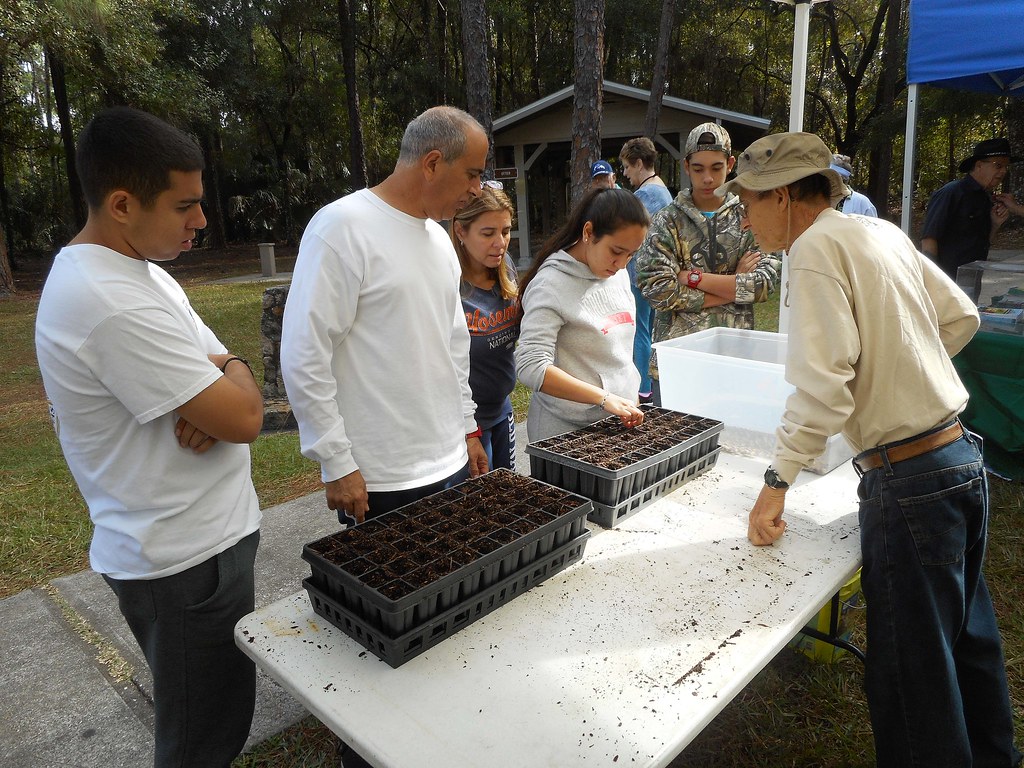
Flagler Audubon Society produces species checklists for Flagler County parks and schedules bird walks open to the public - check their website for current walk dates, as locations rotate seasonally. Halifax River Audubon, the oldest and largest chapter in Volusia County, covers the corridor's southern end around Bulow Creek and Ormond Beach and posts its field trip schedule on its website and through eBird trip reports. Both organizations welcome visiting birders without prior membership, and a guided outing at a shorebird site significantly improves identification for visitors unfamiliar with the region's species mix.
Gear and field etiquette
- Bring a spotting scope for Boardman Pond and Betty Steflik mud flats - shorebirds on exposed tidal flat are often distant and scope views are the difference between a confident ID and a guess
- Dull-colored clothing reduces disturbance near scrub-jays and nesting beach birds; leave bright colors for the car
- Start any coastal site before 8 a.m. - sea breezes build by late morning, reducing bird activity and making it harder to hear rail calls or distant warbler chips
- Never approach posted beach nesting closures; least terns are colonial nesters and a flushing event affects the entire colony, not just one bird
- Log sightings to eBird after each site visit - Flagler and Halifax River Audubon chapters monitor the rare bird alerts and your data contributes to the corridor's species records
Frequently Asked Questions
When is the single best week to visit the Heritage Crossroads corridor?
The two strongest windows are the first two weeks of October and the last two weeks of April. October combines Peregrine Falcon movement at GTM, arriving painted buntings, and fall warblers still pushing through - and the peregrine watch has no spring equivalent. Late April delivers the best hammock migration and active swallow-tailed kites. If you can only come once, October adds the hawk watch that makes this corridor distinct from other northeast Florida birding destinations.
Is Boardman Pond worth visiting outside the July-September shorebird window?
Yes. The pond holds wading birds year-round - wood storks, herons, and egrets throughout winter and spring - and the surrounding live oak woodland produces resident species regardless of season: barred owls, pileated woodpeckers, and red-shouldered hawks are present year-round. The shorebird staging peak from July through September is exceptional, but a visit to Bulow Creek in any month is productive because the forest habitat has no equivalent elsewhere on the corridor.
How do I distinguish a painted bunting from other small birds at a feeder or scrub edge?
Male painted buntings have no look-alike in North America - the combination of solid blue head, red underparts, and bright green back is unique. Females and immatures are a uniform bright lime-green, which still stands out from the dull olive or yellow-green of other small songbirds. In the corridor, look for them in dense coastal thicket and scrubby edge near seed-producing vegetation from October through March, and again during the summer breeding season at GTM and similar coastal sites.